Clean Tech Trends

Clean Energy Technology
The clean energy technology market is no longer a niche—it’s the backbone of global industrial transformation. As markets pivot toward decarbonization, electrification and energy independence, clean tech is reshaping how companies design, build and operate. Engineers are at the forefront of this shift, driving innovation that meets climate goals while optimizing performance, reliability and scale.
Key Clean Tech Trends and Future of Energy Trends


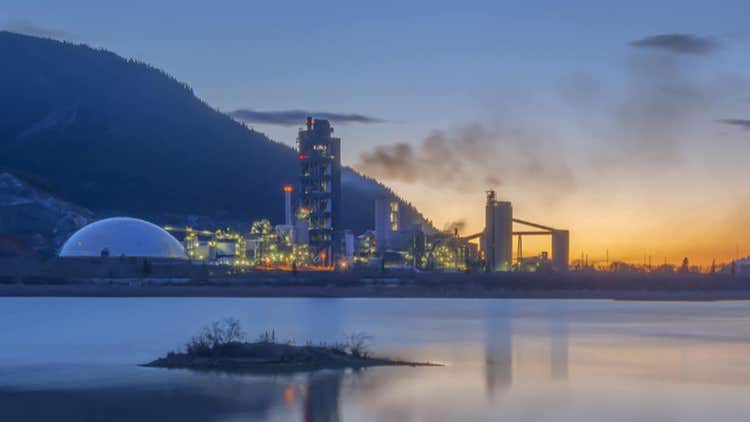



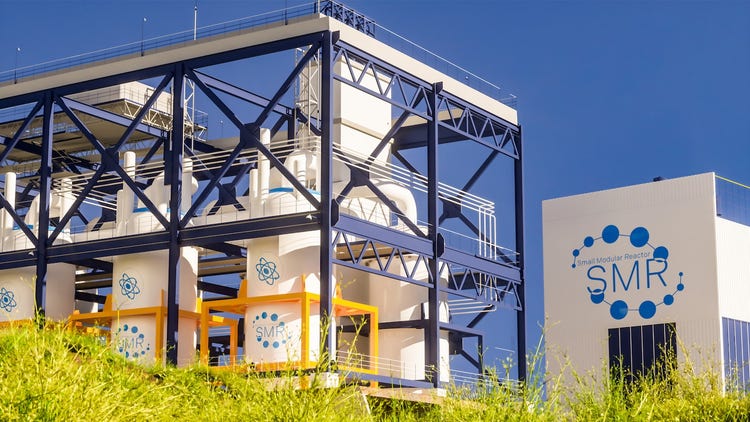
What is Clean Energy Technology
Clean energy technology refers to systems, materials and engineering solutions that generate, store, distribute or use energy with lower environmental impact. This includes renewable power sources such as solar, wind and hydrogen; energy-efficient components and electrified systems; advanced gas and nuclear innovations; and digital technologies that optimize performance and reduce emissions. Clean energy technology supports the global transition toward decarbonization, energy independence and long-term industrial resilience.
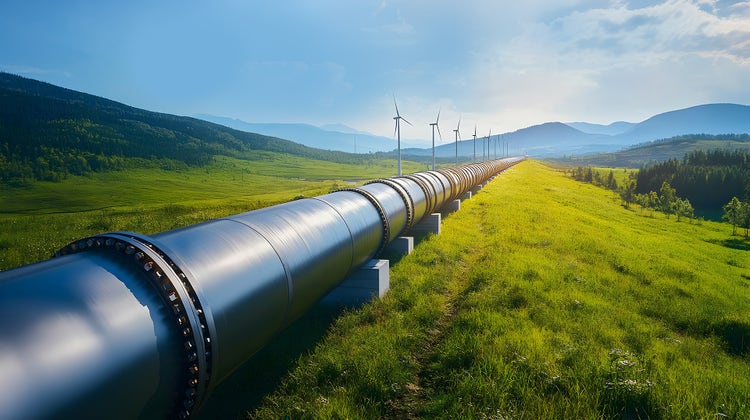

The Acceleration of Clean Tech
Clean energy adoption is surging across industrial operations, transportation, infrastructure and hyperscale computing. From renewable power generation to AI-driven optimization, the demand for energy-efficient systems and smart materials is redefining engineering priorities. Parker is seeing:
- Rapid expansion of renewables (solar energy, wind, hydrogen) across manufacturing, mobility and data infrastructure
- Rising need for high-performance, energy-efficient components and materials
- Integration of AI and automation to streamline energy use and reduce waste
How Parker Supports Clean Tech Growth
- Advanced MaterialsParker’s seal technologies and coatings withstand hydrogen’s extreme conditions: high pressure, low temperature and molecular volatility.
- Lightweight DurabilityParker delivers fittings and valves built for hydrogen compression and storage systems, leveraging decades of material science to contain the uncontainable.
- Strategic PartnershipsParker works shoulder-to-shoulder with energy and transportation leaders (OEMs, utilities and innovators) to co-develop clean tech solutions.
- Global Engineering SupportFrom prototype to mass production, Parker helps engineers navigate supply chain complexity, regulatory standards and performance validation.
- Coating InnovationParker's proprietary coatings mitigate hydrogen damage, extending component life and system integrity.
- Standards LeadershipParker actively contributes to global committees shaping clean tech regulations and best practices.

Parker's Commitment to Clean Tech
Clean energy isn’t just a trend, it’s a mission. Parker views clean technology as a core engineering challenge and a catalyst for global progress. Our commitment to future energy is embedded across every facet of our operations, from product innovation to facility transformation, empowering industries to meet the demands of a low-carbon future.

- Engineering for Emissions ReductionParker designs precision components and systems that actively reduce greenhouse gas emissions, enabling our customers to accelerate toward net-zero goals without compromising performance or reliability.
- Materials and Systems That Respect the PlanetParker's R&D teams are pioneering the use of eco-conscious materials and energy-efficient technologies that minimize environmental impact while maximizing operational efficiency across sectors.
- Greening Our Own FootprintFrom manufacturing plants to corporate campuses, Parker is advancing green energy initiatives: reducing energy consumption, optimizing water use and transitioning to renewable power sources.
- Scalable Solutions for Global DecarbonizationParker partners with customers to deliver high-performance clean tech solutions that scale, from electrified mobility and renewable energy infrastructure to advanced thermal management and fluid control systems.
- Design for SustainabilityParker’s Design for Environment philosophy drives the development of cleaner, smarter technologies by minimizing environmental impact across every stage of a product’s life cycle, from raw material extraction and manufacturing to distribution, use and end-of-life recovery. This holistic approach empowers customers to achieve greater sustainability and unlock engineering innovations that shape a better tomorrow.
Future Energy
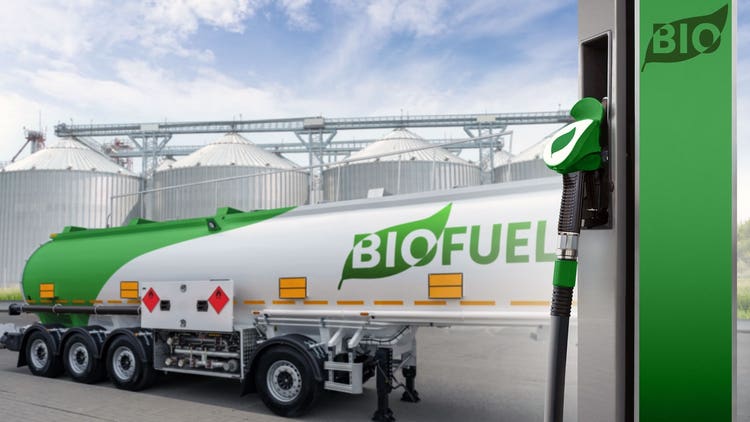
Future energies are reshaping the global energy landscape with cleaner, more efficient solutions that support decarbonization and energy resilience. From advanced fuels to electrification, these innovations are driving sustainable progress across industries


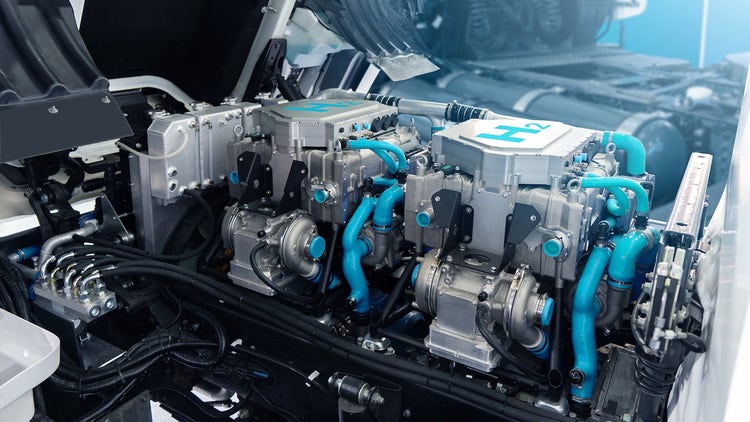


Featured White Paper
Advances in Sealing Technology Meet Clean Tech Demand
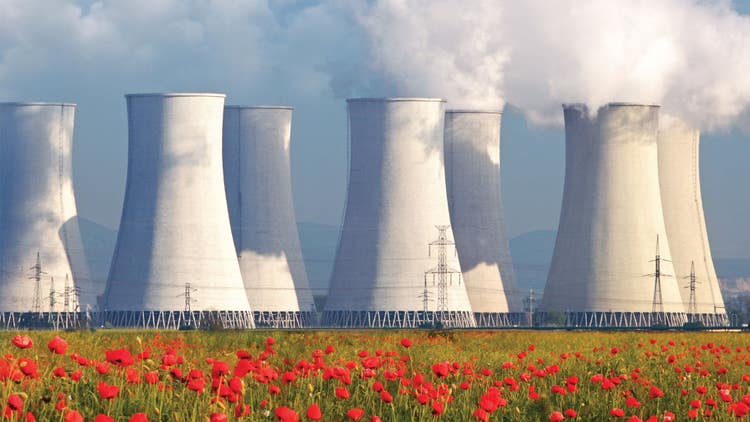
As hydrogen and nuclear energy gain momentum, sealing technology is becoming essential to performance, safety and reliability. This white paper explores the unique sealing challenges facing clean tech applications, from hydrogen permeation and embrittlement to radiation exposure and thermal shock, and shows how material science innovations are helping support the next generation of energy infrastructure.
Clean Tech FAQs
What are the latest advancements in clean technology?Innovations include hydrogen fuel systems, advanced battery storage, AI-driven energy optimization and high-efficiency power electronics.
How is clean energy technology accelerating decarbonization in manufacturing and transportation?It replaces fossil fuels with renewables, electrifies operations and improves energy efficiency to cut carbon emissions.
What role do advanced materials and sealing technologies play in hydrogen and renewable energy systems?They ensure safety, durability, and leak prevention under demanding conditions, critical for high-pressure and corrosive environments.
How is AI improving clean energy efficiency, grid performance, and energy optimization?AI enables predictive control, real-time monitoring and smart load balancing to maximize energy use and grid stability.
How do clean energy components maintain performance in extreme temperature and high-pressure environments?They use engineered materials and precision designs to withstand harsh conditions while maintaining reliability and efficiency.
What safety relief valve solutions does Parker offer for clean energy applications?Parker offers a range of safety relief valves for various applications.
What seals are recommended for low-temperature or high-pressure hydrogen applications?Use seals made from PTFE, PCTFE, or UHMWPE; metal seals may be required for extreme conditions.
Which materials resist hydrogen embrittlement in clean energy systems?High-strength steels are most susceptible; use stainless steel or nickel alloys to reduce risk.
How to prevent hydrogen embrittlement?Select resistant materials, avoid high-stress designs and control hydrogen exposure and pressure cycling.
What is the most popular standard(s) for on-vehicle when using Hydro or NG as a fuel?
ISO 17268 and SAE J2600 are widely used for fueling connectors and systems.
What contaminants need to be removed from Biogas before it can be injected into the natural gas grid?
Hydrogen sulfide (H₂S), moisture, siloxanes, CO₂ and particulates must be removed.
Clean Tech Education
Innovation drives Parker’s ability to solve customers' challenges, educating about industrywide technological advances and clean tech-related news through resources such as blogs, white papers and more can serve to broaden perspectives and provide better understanding of Parker as a global company.
Addressing the Challenge of Hydrogen Embrittlement in Metallurgy
White Paper
Bipolar Plate Seals in Fuel Cells and Electrolyzers
Blog
Cathode Air Filtration
White Paper
Design Guidelines for Gas-Electrolyte Separation in Green Hydrogen Production
White Paper
Designing for Oxygen-Enriched Environments Found in Electrolysers
White Paper
Designing Single-Phase Liquid Cooling Systems for Data Centers
Blog
Efficient Purification for Green Hydrogen Production
White Paper
Energy Treasure Hunts Reduce CO2 Emissions
Blog
Hydrogen Fuel Systems Create Unique Concerns
White Paper
Hydrogen Purification
White Paper
Navigating Standards and Pragmatism in Hydrogen Fuel Systems Design
Blog
Rapid Gas Decompression Resistance in Hydrogen and CO2 Environments
Blog
Seals for Electrolyzers
White Paper
Sealing Solutions for Bipolar Plates
Brochure
Think You’re Ready to Start Using Hydrogen as Your Fuel Source?
White Paper